— Money — Democracy — Commons —
At the intersection of research and practice, I explore how monetary systems can strengthen democracy and support the emergence of the commons. .
Money explorer
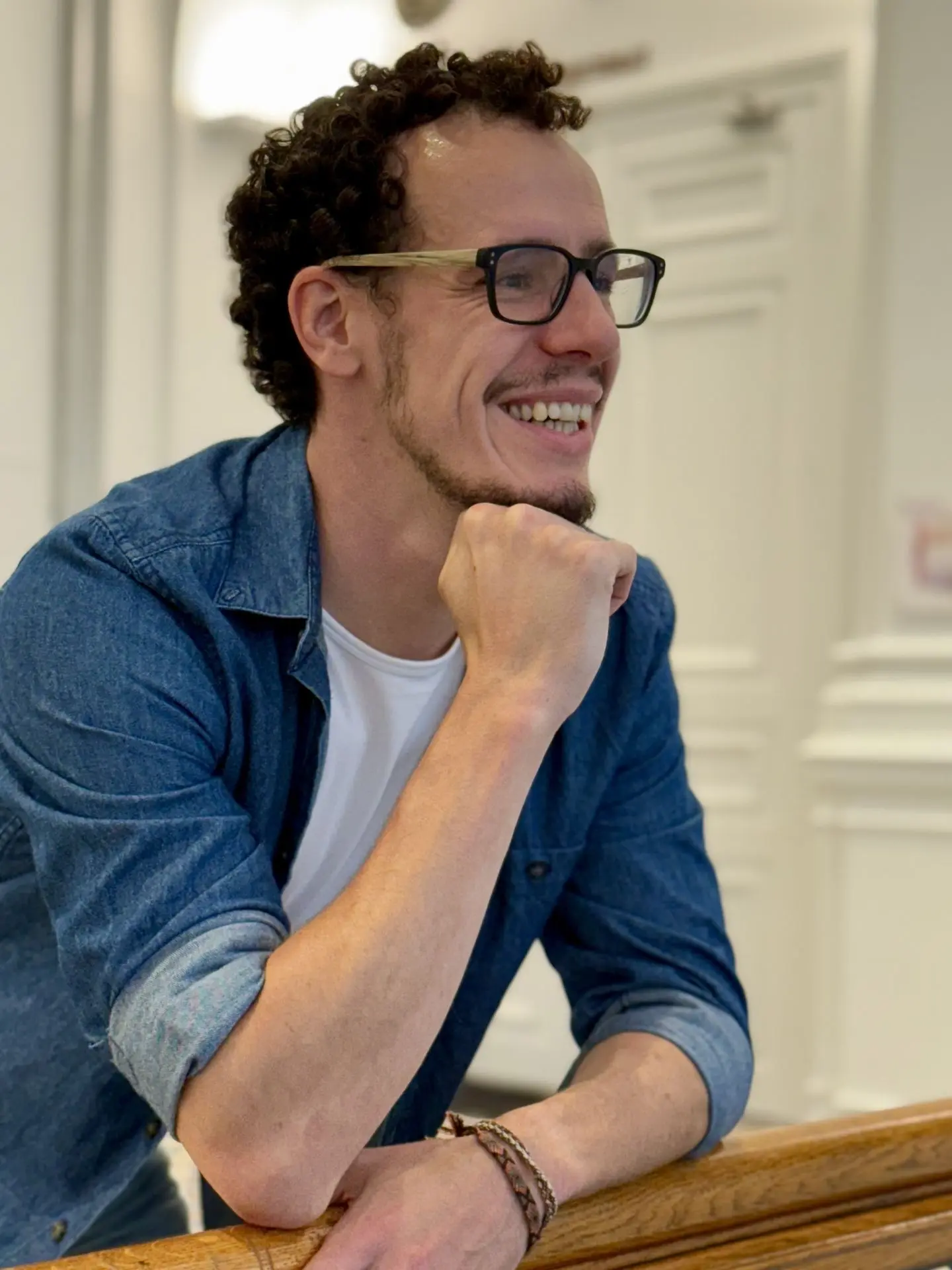
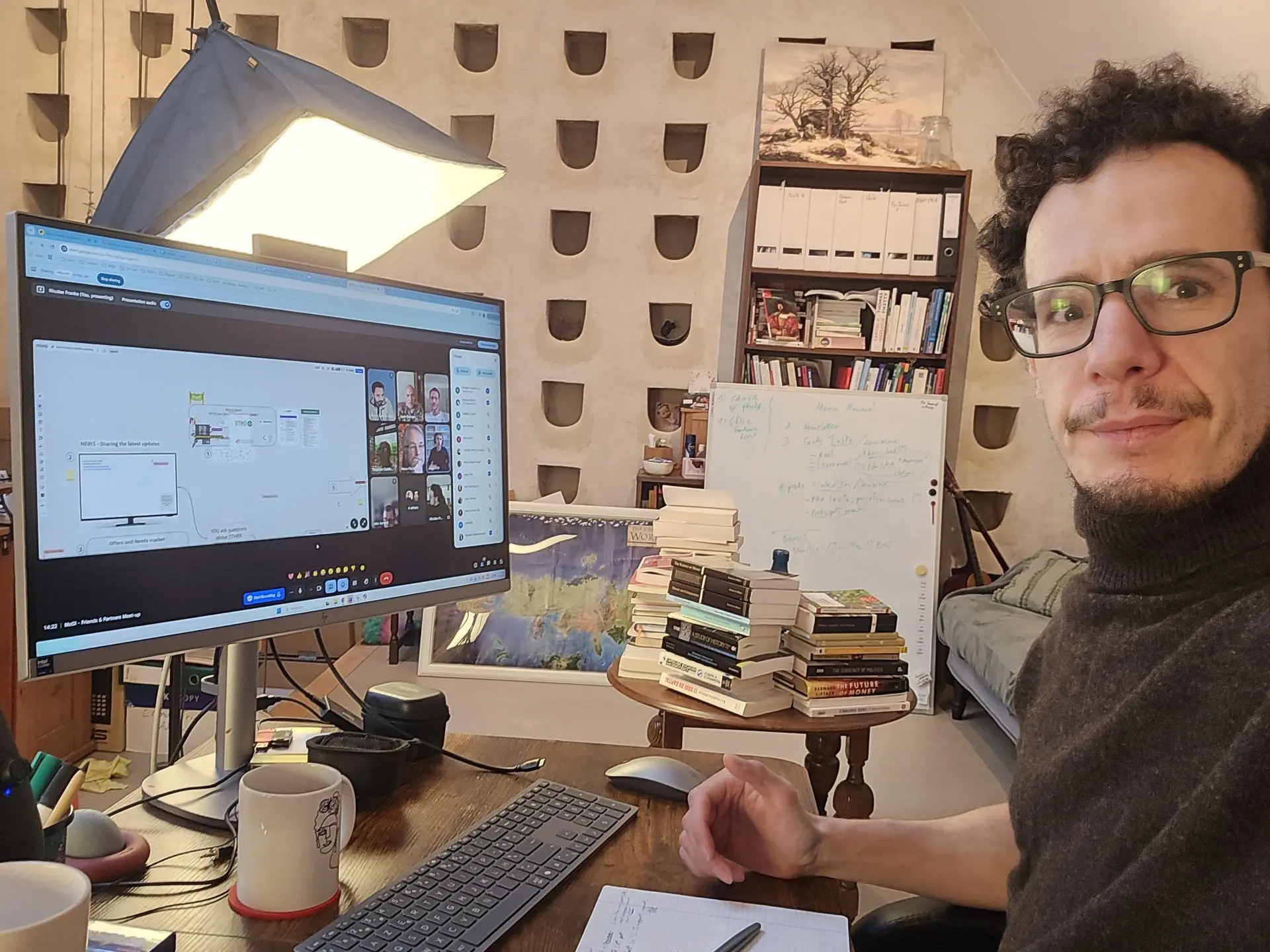
My name is Nicolas Franka.
I have worked on "money" all my adult life. I found it to be a central institution that shapes value, power, and collective action. It is as complex as it is misunderstood, yet it a central piece of any power system. Well worth a life of passion you will discover on this website.
My work starts from a simple observation: the monetary system is inefficient at allowing ressources for collective purposes. While societies debate democracy and justice intensely, the monetary and economic systems remain largely unquestioned. I analyse the limits of the dominant monetary system and work on concrete alternatives. Indeed, I love combining research, field experimentation, and public debate to bring sustained public attention to a question that has shaped my work for years. .
My goal is clear: to help restore the capacity to act to territories, communities, and citizens, in order to build a fairer, more democratic, and more resilient economy that delivers sustained prosperity for all.
Money structures action before intentions
Money is not a simple technical tool. Neither simple nor only technical.
It organises priorities, structures incentives, and drives human action.
To understand money is to understand:
- how certain agents can "finance" things.. or not.
- What is being valued
- how contributions are recognised, visibilised and acknowledged
- and why certain forms of wealth concentrate while others are being depleted
This is why I treat money as a central institution of social organisation which can take many forms, and not merely a veil on the economy that can be discarded out of public discourse



Beyond critique
Like many others, I have witnessed the slow erosion of our collective systems. The limits of the dominant economic and monetary framework are increasingly visible concentration of wealth and power, institutional arrangements that favour resource depletion over regeneration, and a steady weakening of communities and collective initiatives.
Yet the time for doomsday narratives, easy fixes, or endless denunciation has passed. What remains is the work.
Rather than stopping at critique — as so many do — I focus on designing, testing, and analysing alternative monetary frameworks that allow communities, territories, and organisations to act differently and more sustainably.
This work is difficult. It often fails. But experimentation remains the only credible path forward.
Research, experimentation, and public debate
My approach combines three dimensions
Strong foundations, bringing and discussions ideas out there while testing, testing, testing news needs
Analysis
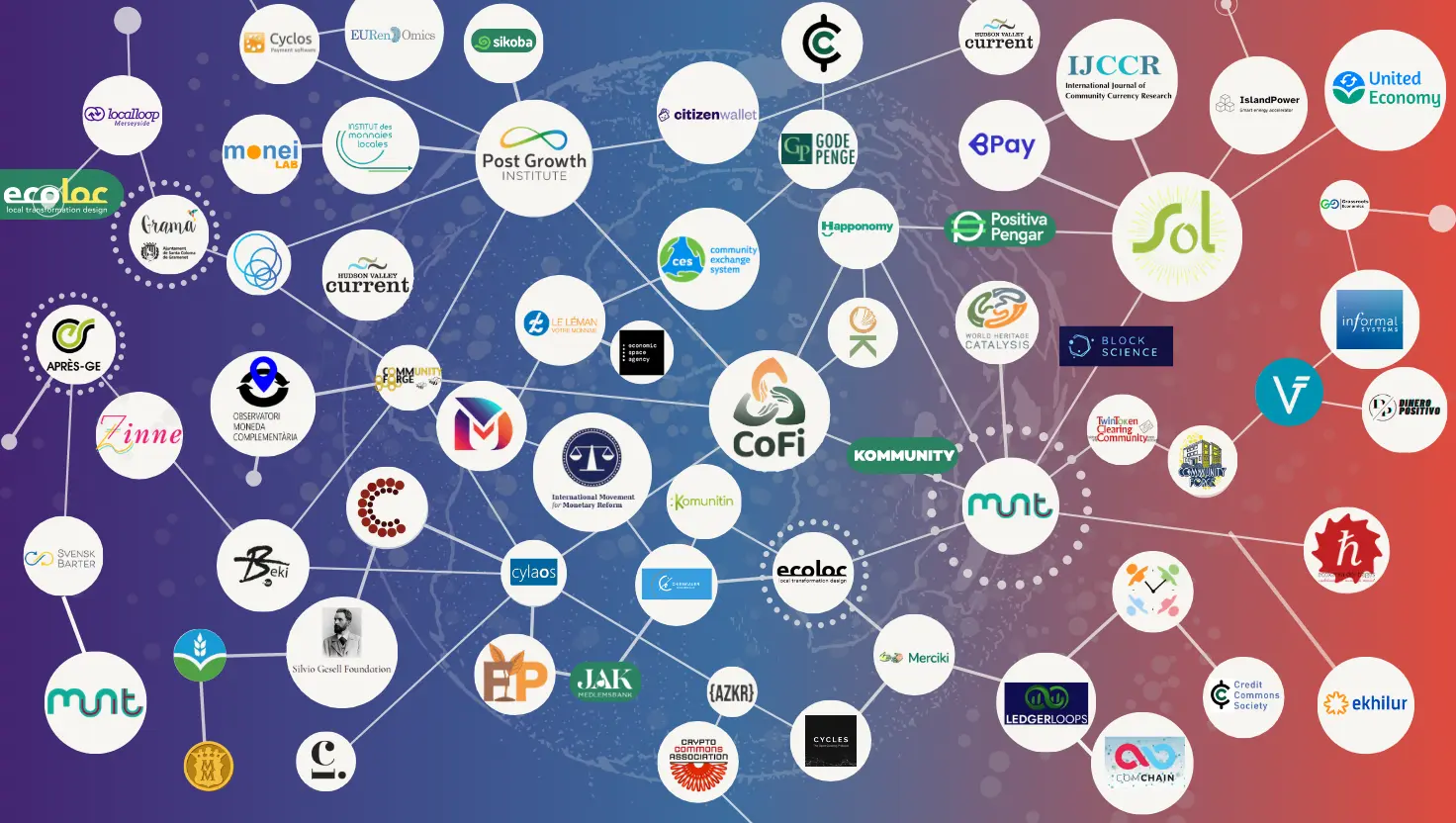
Through research and with our 60 MoDi partners, we want to make monetary and institutional mechanisms intelligible
Field experimentation
From commons land preservation, intentional communities and solidarity economy practices, we move out of wishy-washy change to actually getting our hands dirty
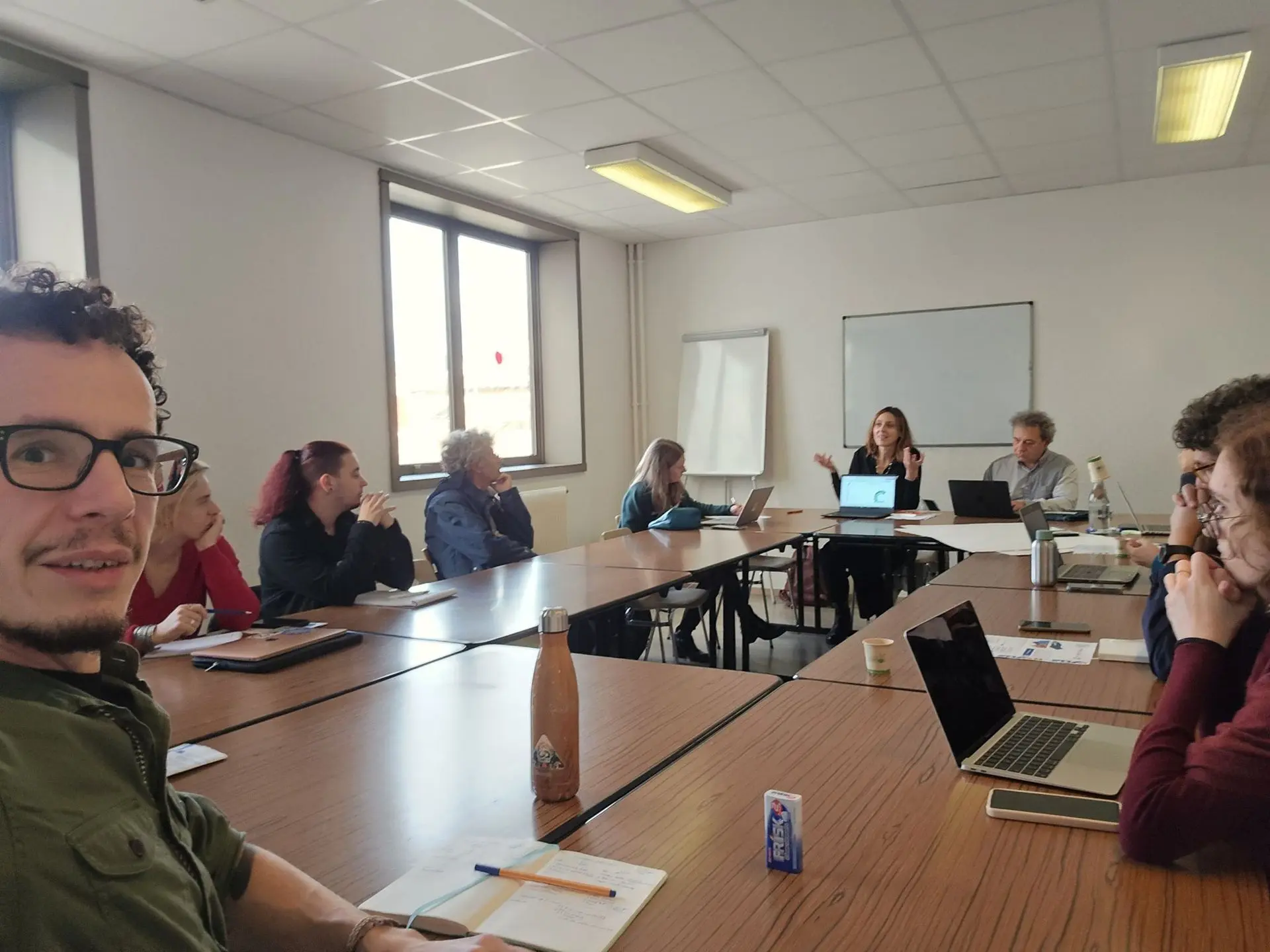
Engage in public debate
via teaching, conferences, writing, and video formats, to open economic questions without oversimplifying them

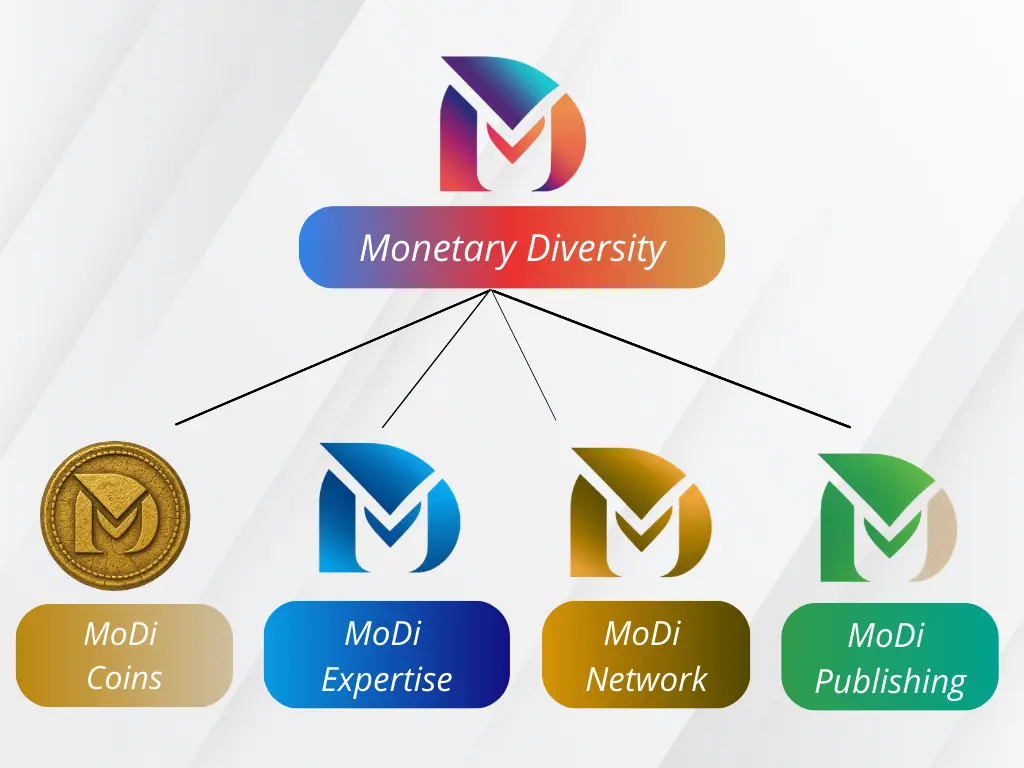
The Monetary Diversity Network
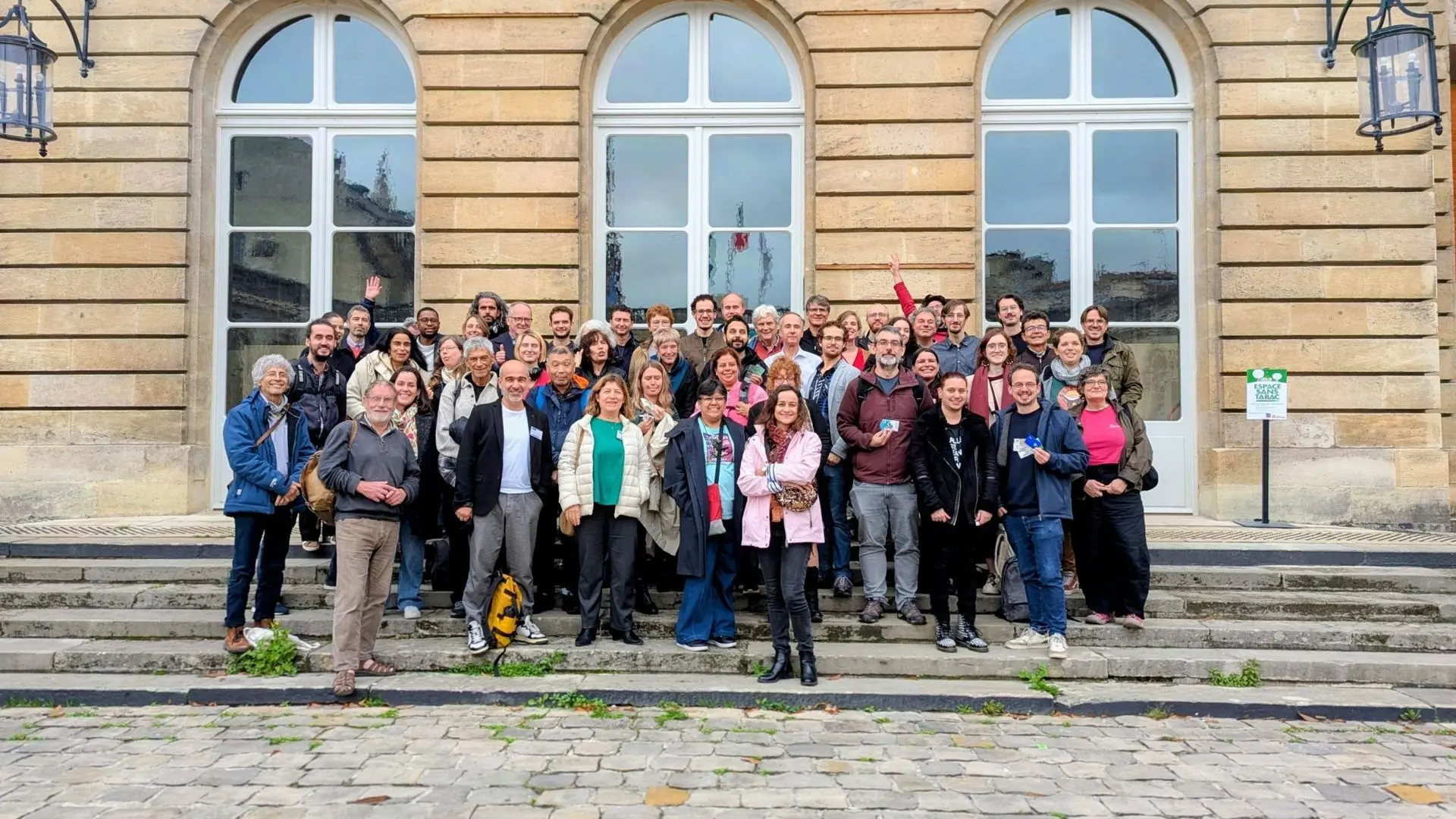
I am the founder of Monetary Diversity, an international network bringing together more than 60 organisations working on complementary currencies, local monetary systems, and monetary innovations.
The network provides a space for collaboration, learning, and institutional dialogue, grounding analysis in shared experience rather than abstract models.
Areas of work

Supporting the development of real-world monetary systems
I have contributed to the development of dozens of monetary initiatives, especially across Europe by supporting their design, governance, and long-term viability. This work stands at the intersection of monetary experimentation, public policy, and emerging technologies.
This includes coordinating and contributing to large-scale European projects, where local and complementary currencies are tested under real institutional, technical, and political constraints.
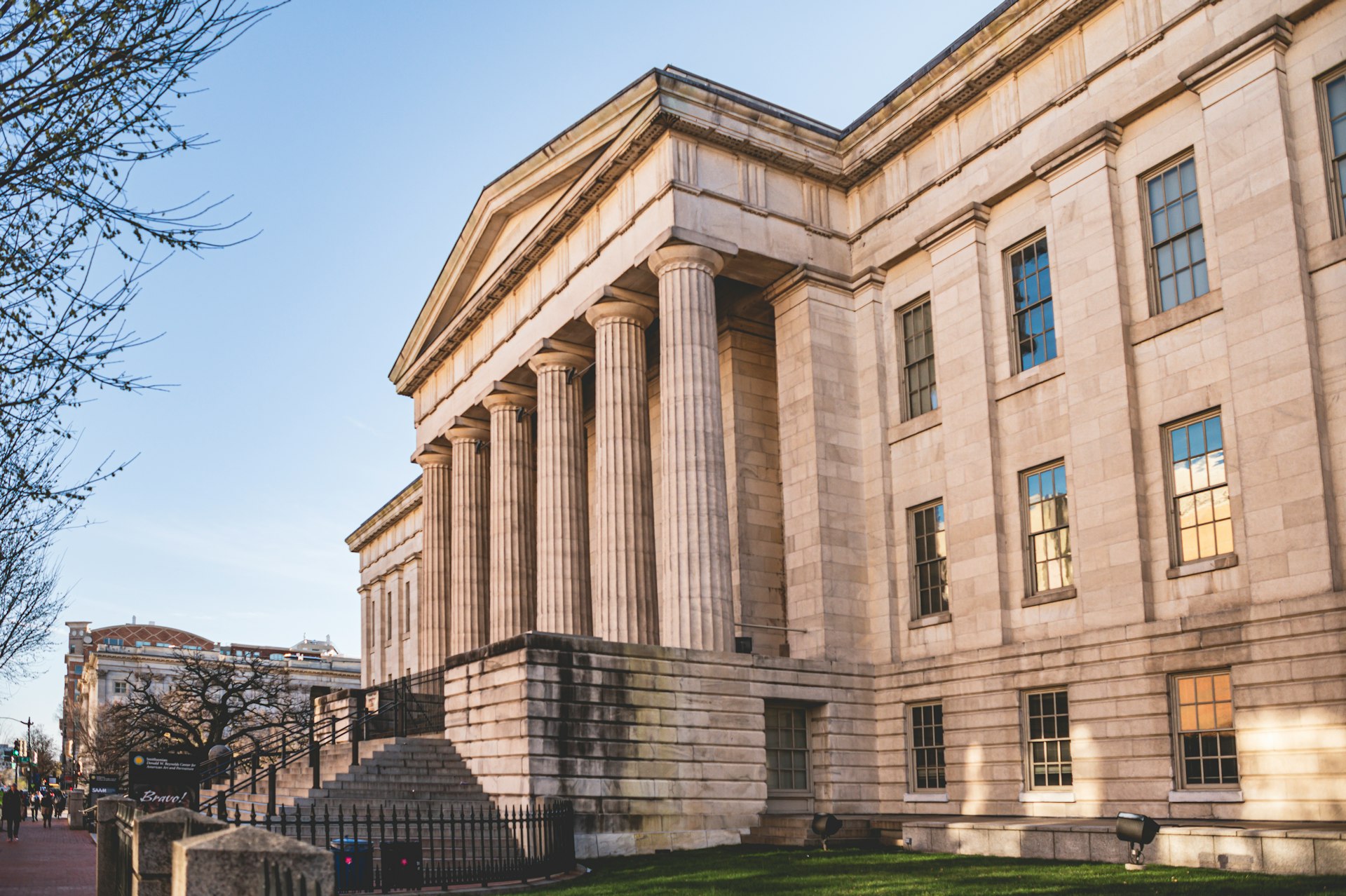
Researching money as an institution
My research focuses on money not as a neutral instrument, but as an institution that structures value, incentives, and collective capacity to act.
For centuries, monetary powers have played a central role in mobilising resources for armies, public policies, large-scale construction, and collective endeavours.
I work across economic theory, institutional analysis, and empirical observation to understand how different monetary arrangements affect democracy, cooperation, and long-term resilience.
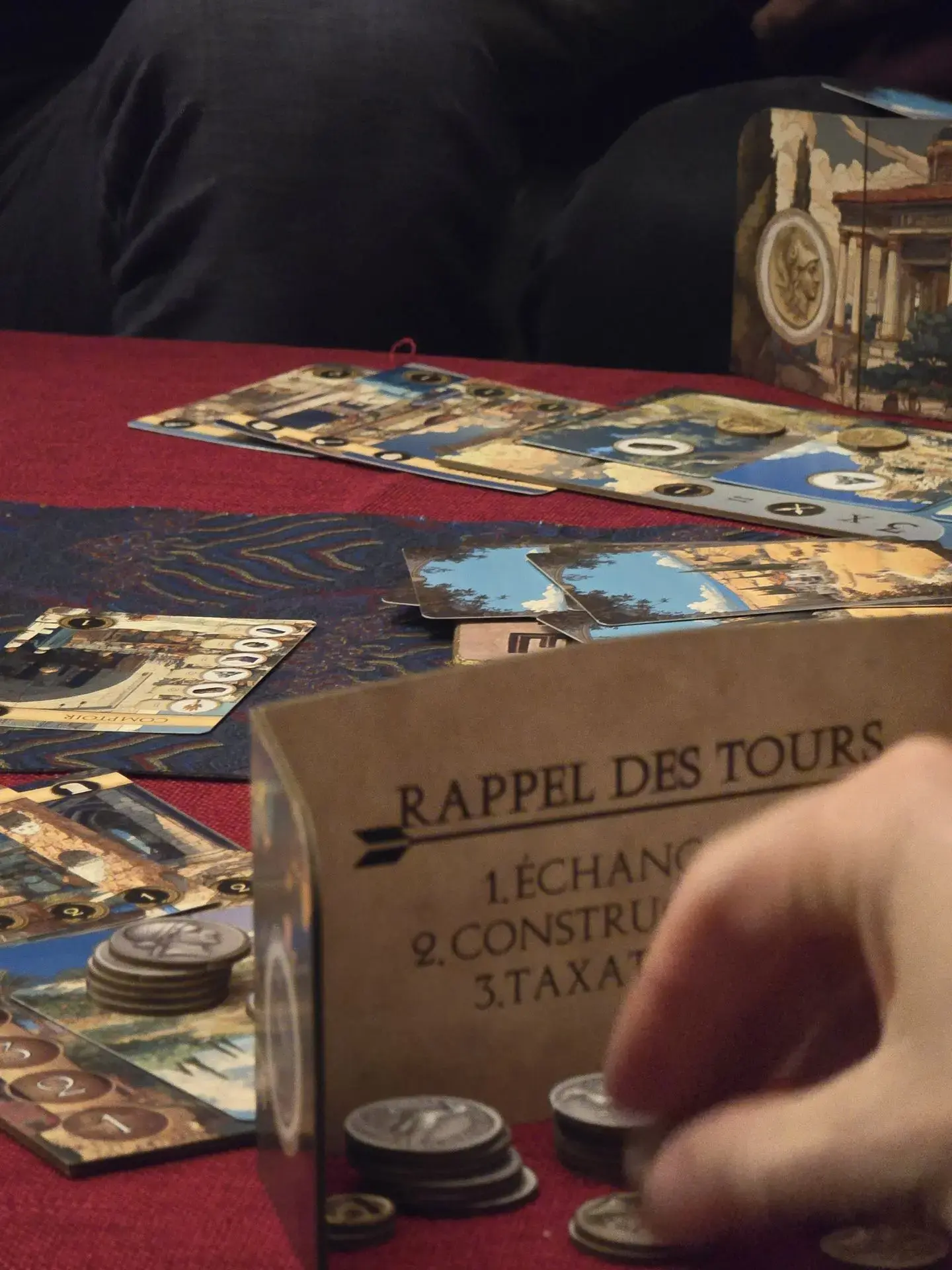
Designing innovative monetary and institutional systems
Beyond analysis, I work on the design of monetary and institutional frameworks: local currencies, complementary systems, mutual credit arrangements, and hybrid payment mechanisms.
The focus is not technology for its own sake, but institutional coherence — ensuring that monetary tools align with collective goals, governance structures, and real-world constraints.

Engaging in collective and territorial projects
I am directly involved in collective projects — commons-based initiatives, eco-villages, and land or forest governance experiments — where questions of value, contribution, and responsibility are lived rather than theorised.
These contexts provide essential feedback: they reveal where institutional designs hold, where they fail, and what democratic and economic conditions are required to sustain collective action over time.
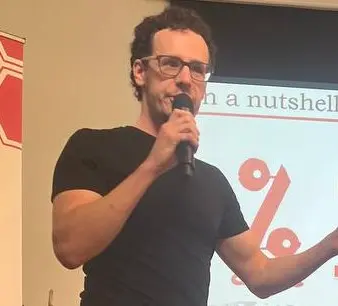
Teaching, transmission, and public debate
A central part of my work consists in teaching, speaking, writing, and developing public-facing formats — including conferences, workshops, publications, and video content.
The objective is not simplification, but democratisation: making monetary and economic questions discussable, contestable, and accessible beyond expert circles.
Democracy cannot transform the economy if money itself remains undemocratic.
I do not see economics as the distant theory I was taught about.
Rather, I see it as a set of institutions enabling functions through chosen properties of systems that deliver expects economic consequences taht shape society.
My work is driven by a clear commitment: to contribute to the democratisation of money and economic institutions, and to test, in practice, what makes collective action possible over time.